Civil Engineer for Residential Development in Cleveland, TN: What You Need to Know
Whether you are building a single custom home on a raw parcel or planning a multi-lot residential subdivision, one of the most important decisions you will make early in the process is choosing the right civil engineer. In Cleveland, TN and the surrounding Bradley County area, land development comes with its own set of regulatory requirements, topographic challenges, and infrastructure considerations. Having an experienced civil engineer on your team from the start can mean the difference between a smooth project and one that stalls out in permitting or runs over budget due to unplanned site conditions.
At Caldwell Design and Engineering, we have spent over nine years helping developers, builders, and homeowners navigate the civil engineering process for residential projects throughout Cleveland, TN. In this guide, we will break down exactly what a civil engineer does on a residential development project, what the process looks like from start to finish, and why local expertise matters when your project is here in the Chattanooga region.
1. What Does a Civil Engineer Do on a Residential Development Project?
The role of a civil engineer on a residential project goes far beyond drawing lines on a map. Civil engineers are responsible for designing the systems and infrastructure that make a piece of land safe, functional, and ready for construction. That includes everything from how stormwater will drain across the site to how the roads, utilities, and grading will be laid out to support future homes and residents.
One of the first tasks a civil engineer handles is a thorough site analysis. Before any design work begins, we evaluate the topography, existing drainage patterns, soil conditions, floodplain status, and proximity to utilities. In the Cleveland, TN area, many parcels have significant slope changes or sit near streams and drainage channels that require careful attention. Understanding these conditions upfront is critical to developing a design that works with the land rather than fighting against it.
From there, the civil engineer develops a site plan that addresses grading, storm drainage, utility layouts, roadway geometry, and erosion control. Each of these elements must comply with local and state regulations, including Tennessee Department of Environment and Conservation standards, Bradley County requirements, and City of Cleveland codes where applicable. Navigating these requirements efficiently is one of the biggest value-adds an experienced local civil engineer brings to the table.
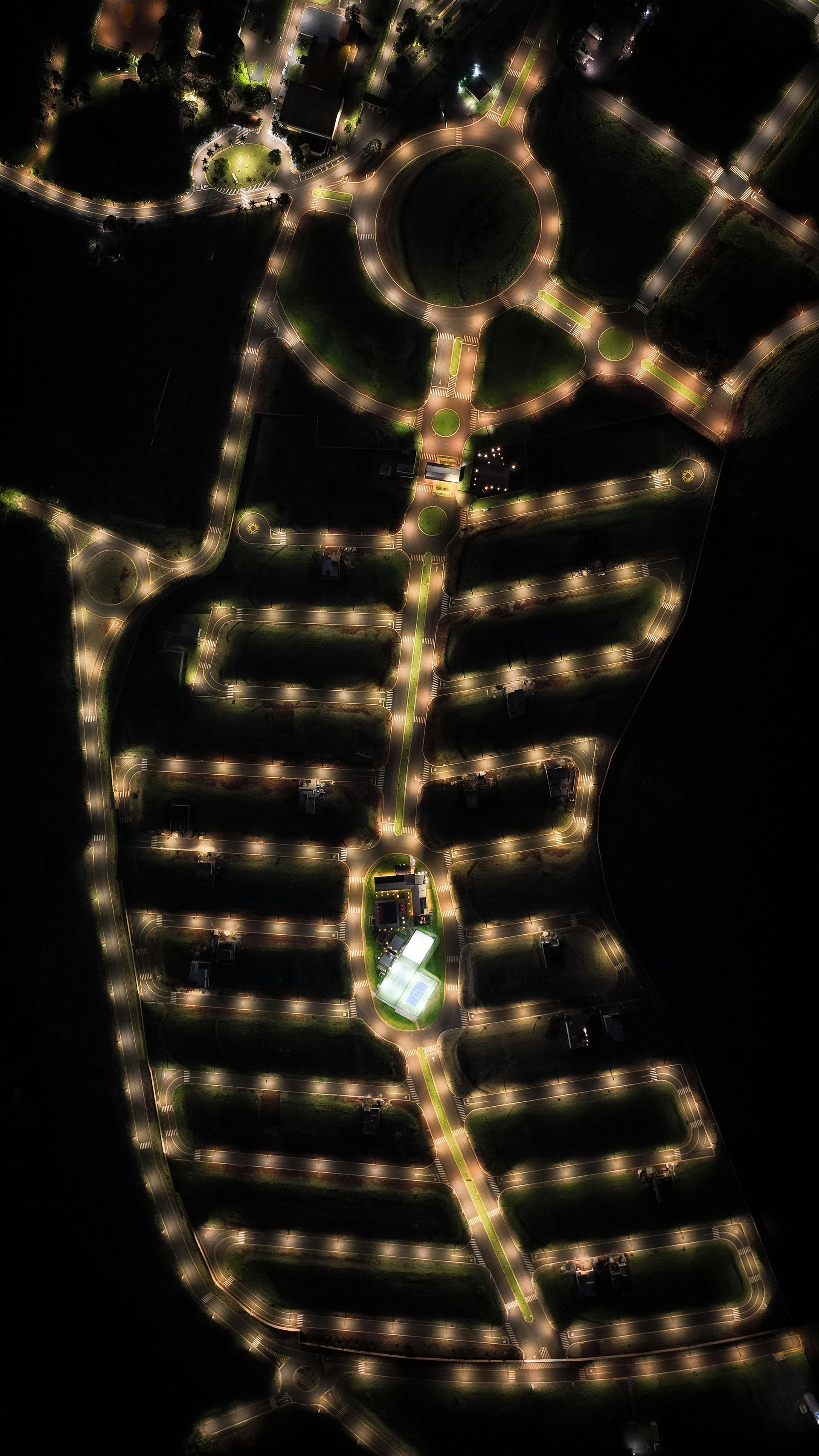
Have you ever wondered why some new neighborhoods feel like they were designed to handle heavy rain without flooding while others end up with drainage problems within a few years? That difference almost always comes down to the quality of civil engineering done during the planning phase. Getting it right on paper prevents very expensive corrections in the field.
2. The Residential Development Process: From Raw Land to Ready-to-Build
The civil engineering process for a residential development project typically follows a series of defined phases, each building on the last. Understanding what to expect at each stage helps you plan your timeline and budget more accurately and reduces the number of surprises along the way.
The process starts with a feasibility study and preliminary site assessment. During this phase, we review your parcel against zoning requirements, confirm utility availability, identify any environmental constraints such as wetlands or floodplain areas, and provide an initial opinion on whether and how the site can be developed. For projects in Cleveland, TN, this often involves early coordination with the City of Cleveland Planning and Zoning office or Bradley County to understand what approvals will be required.
Once feasibility is confirmed, we move into the design phase. This is where the detailed engineering drawings are produced, including the grading plan, drainage design, utility layouts, roadway cross-sections, and erosion and sediment control plan. These documents form the basis for your permit applications and eventually become the construction drawings your contractor will build from. Accuracy and thoroughness at this stage directly affects how smoothly permitting goes and how few change orders you face during construction.
Permitting is often one of the most time-consuming parts of the residential development process, particularly for larger subdivisions that require review by multiple agencies. Our team handles the submittal process, responds to agency comments, and manages revisions so that you can focus on the business side of your project. Having a civil engineer who knows the local reviewers and understands what each agency is looking for can shave weeks off your approval timeline.
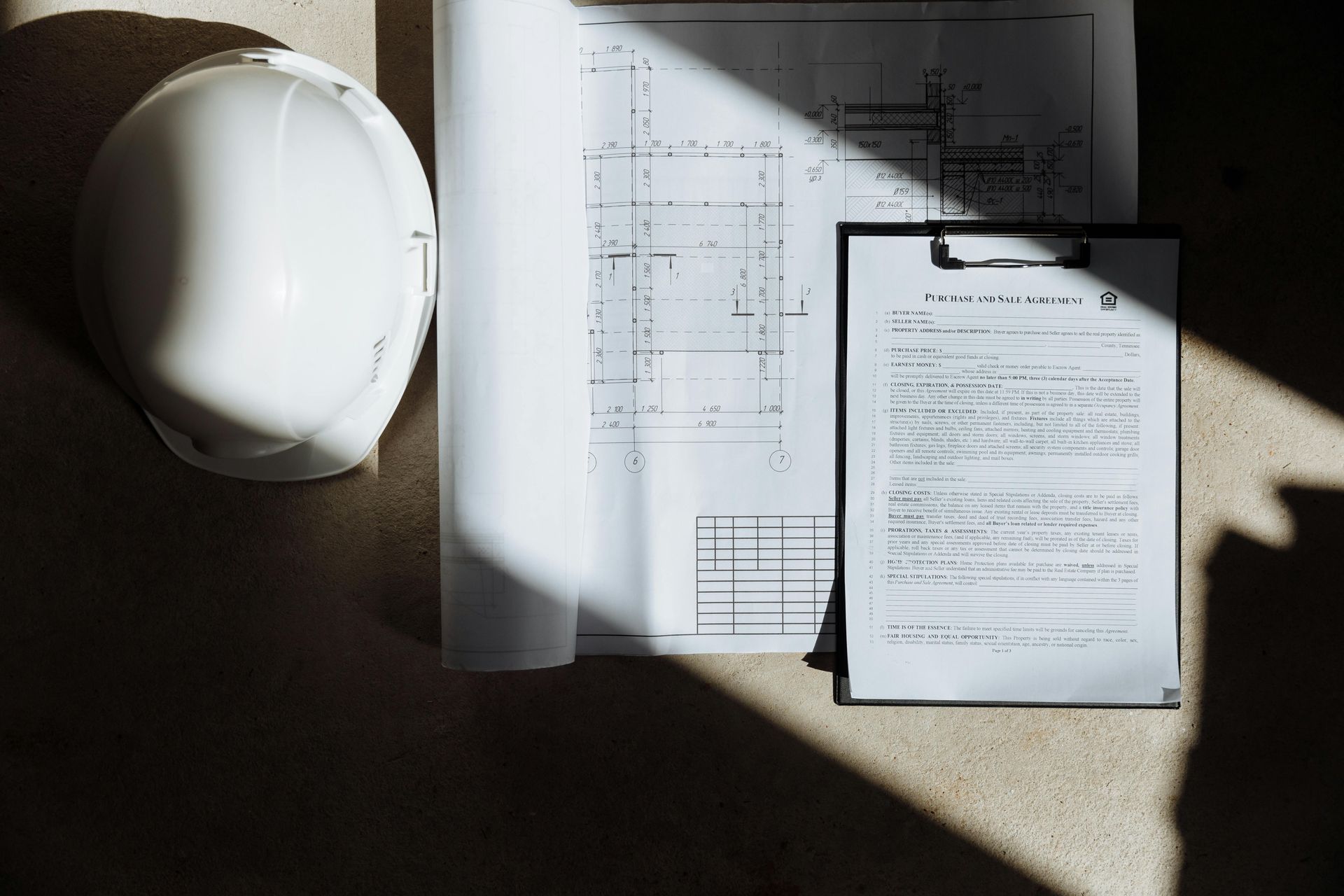
After permits are secured, our involvement continues through the construction phase. We provide construction administration services, respond to questions from contractors in the field, conduct site visits, and help ensure the project is built in conformance with the approved plans. When construction is complete, we handle the as-built survey documentation and closeout requirements to get your project to the finish line.
3. Why Local Civil Engineering Expertise Matters in Cleveland, TN
Cleveland, TN sits in a region with a unique combination of topographic variety, active growth, and regulatory complexity. The rolling terrain of Bradley County presents grading and drainage challenges that are different from those in flat urban markets. Local knowledge of drainage patterns, soil types common to the area, and the specific requirements of local reviewing agencies is not something you can replicate with a firm that has never worked in this market.
Caldwell Design and Engineering has worked on residential projects throughout Cleveland, TN, the Chattanooga metro area, and surrounding counties. We understand the local approval process, the standards that reviewers expect to see in a submittal package, and the site conditions that tend to create problems if they are not addressed early. That institutional knowledge translates directly into fewer delays, fewer revisions, and a smoother overall experience for our clients.
We also take pride in being accessible and communicative throughout the project. You will always know where your project stands and what the next step is. We explain our recommendations in plain language and make sure you understand the tradeoffs involved in any major design decision. Our goal is not just to stamp a set of drawings but to be a true partner in getting your residential development project across the finish line successfully.
Conclusion
Hiring a civil engineer for your residential development project in Cleveland, TN is one of the most important investments you will make in the success of that project. From the initial site assessment through permitting, construction, and closeout, the right civil engineering partner keeps your project moving, keeps you in compliance, and helps you avoid the costly mistakes that derail timelines and budgets.
Ready to get started on your residential development project in Cleveland, TN? Contact Caldwell Design and Engineering today to schedule a consultation and find out how we can help bring your vision to life.
Blog