Stormwater Management Services in Cleveland, TN: What Every Developer Should Know
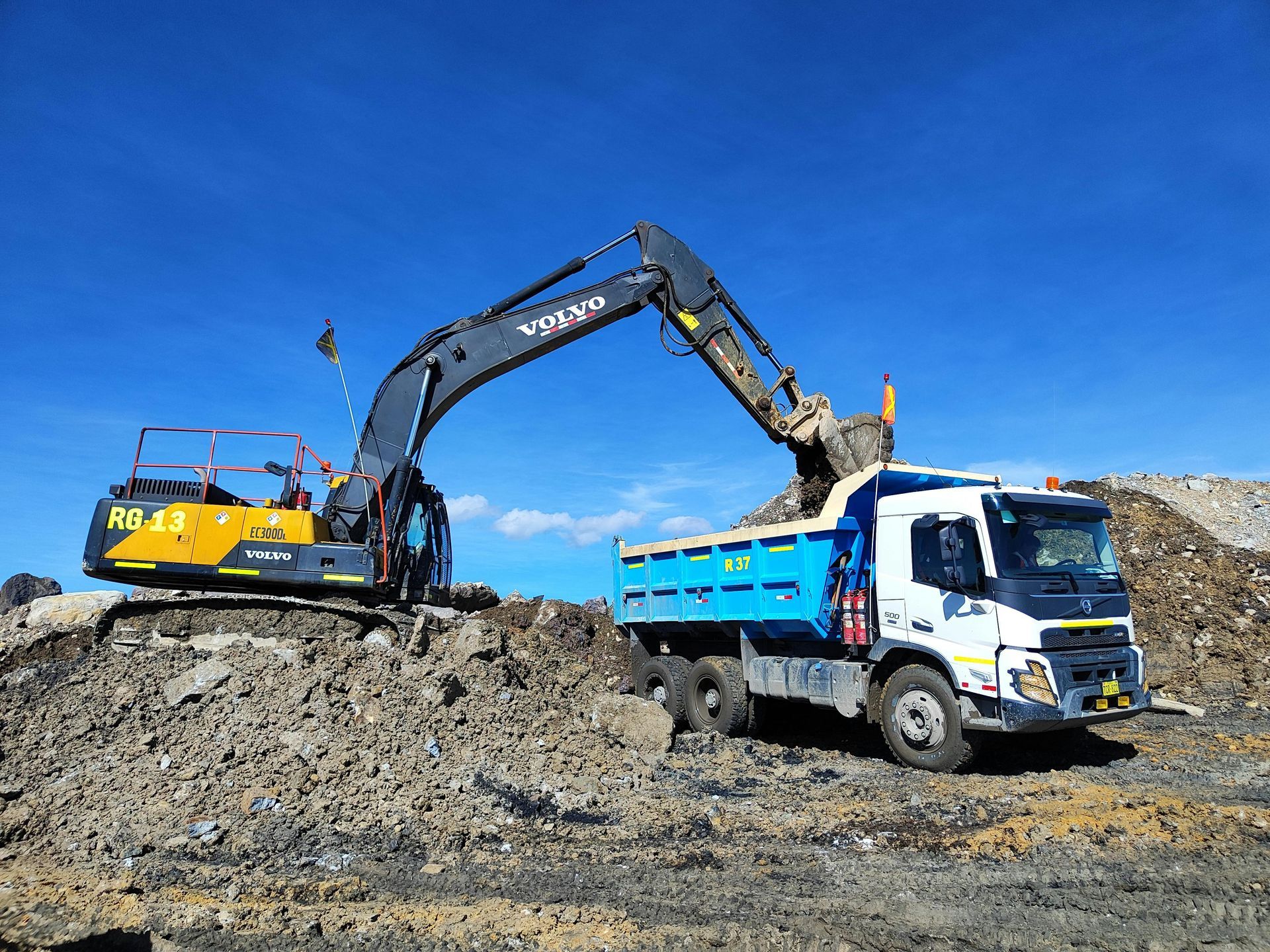
When most people think about what makes a construction project successful, they think about the structure itself: the building, the road, the home. What they rarely think about is what happens to the water. Stormwater management is one of the most technically demanding and consequential aspects of any development project, and when it is not handled correctly, the consequences range from flooded basements and eroded slopes to regulatory violations and costly remediation work. In Cleveland, TN, where the terrain is hilly and rainfall events can be intense, proper stormwater management is not optional. It is essential.
At Caldwell Design and Engineering, stormwater management is one of our core service areas. We design drainage systems for residential subdivisions, commercial sites, roadway projects, and individual home sites throughout Cleveland, TN and the broader Bradley County area. In this article, we will explain what stormwater management actually involves, why it matters for your project, and what the engineering process looks like from start to finish.
1. What Is Stormwater Management and Why Does It Matter?
Stormwater management refers to the planning, design, and implementation of systems that control how rainfall moves across and through a developed site. When land is in its natural state, vegetation, soil, and topography work together to slow runoff, promote infiltration, and route water gradually to streams and drainage ways. Once you add impervious surfaces like roads, parking lots, rooftops, and compacted soils, that natural balance is disrupted. Water runs off faster, in greater volumes, and with more erosive force than before development.
Without proper stormwater management, this increased runoff causes a cascade of problems. Downstream properties experience flooding that did not occur before the upstream site was developed. Channels and streams erode as they are forced to carry more water at higher velocities. Sediment is deposited in downstream water bodies. Water quality degrades as runoff picks up pollutants from parking lots, lawns, and construction sites. Local and state regulators have responded to these problems with increasingly strict stormwater management requirements that apply to virtually every new development of any significant size.
In Tennessee, the Department of Environment and Conservation administers the Construction General Permit, which requires any site disturbing one or more acres to implement and maintain an approved stormwater pollution prevention plan. Projects in floodplain areas, near wetlands, or discharging to impaired water bodies may face additional requirements. Navigating these regulations requires a civil engineer who understands both the technical design standards and the regulatory framework that governs permitting in the Cleveland, TN area.
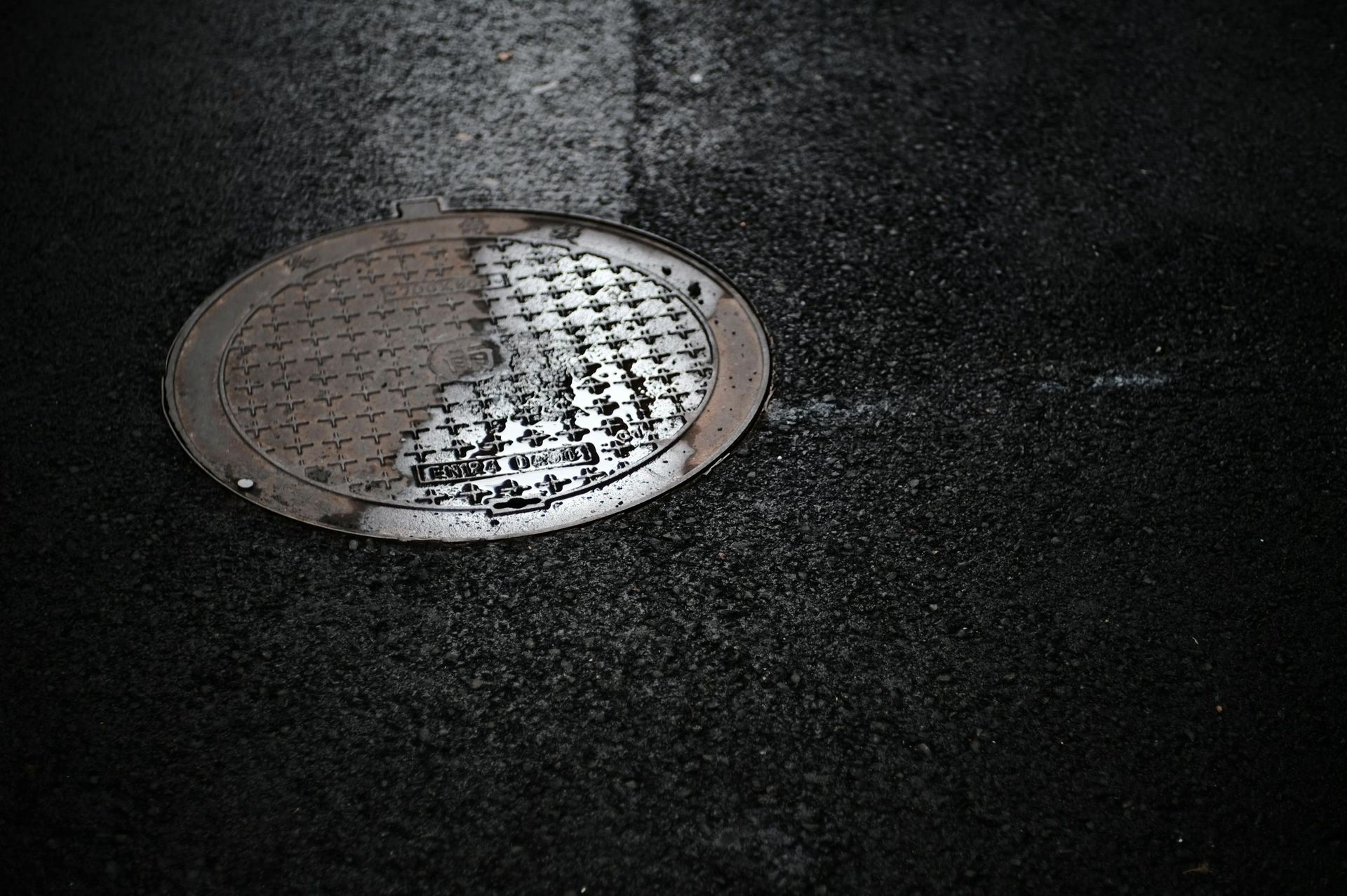
Have you ever driven past a construction site and noticed orange silt fencing, sediment traps, and diversion channels? Those measures are not just visual clutter. They are engineered elements of a stormwater control plan required by the state, and they represent just a portion of what effective stormwater management looks like from the ground level.
2. How Caldwell Design and Engineering Approaches Stormwater Design
Effective stormwater management begins with a thorough understanding of the site. Before we design a single drainage structure, we study the existing topography, the natural drainage patterns, the size and runoff characteristics of the contributing watershed, and the receiving waterway that will ultimately accept the stormwater discharge. In Cleveland, TN, this often means working with sites that have significant grade changes, multiple drainage basins, and proximity to streams and tributaries that are sensitive to increased flows.
Our stormwater design process typically includes hydrologic and hydraulic calculations to determine how much runoff a developed site will generate under various storm events, ranging from the 2-year frequency storm to the 100-year event. These calculations drive the sizing of culverts, detention ponds, swales, and pipe systems that need to safely convey and control runoff. Getting these calculations right requires both technical skill and sound engineering judgment, particularly when the design involves detention or retention facilities that must perform reliably over many decades.
We also design the erosion and sediment control measures required during construction, which are a separate but equally important component of stormwater management. Sediment control during active grading and construction is critical to protecting downstream properties and waterways, and it is a regulatory requirement that inspectors from TDEC and local agencies actively enforce. Our plans are detailed and construction-ready, so your contractor understands exactly what is required and how to install it correctly.
Post-construction stormwater management is another area where our designs pay long-term dividends. We incorporate features like bioretention cells, vegetated swales, level spreaders, and properly designed detention basins that continue to function effectively with routine maintenance. A stormwater system that fails because it was undersized or poorly designed can be extremely expensive to retrofit after the fact.
3. Stormwater Permitting in Cleveland, TN: What Developers and Builders Need to Know
The permitting process for stormwater management in the Cleveland, TN area involves multiple agencies and layers of review. At the state level, projects that disturb one or more acres must obtain coverage under the Tennessee Construction General Permit and submit a Notice of Intent along with a Stormwater Pollution Prevention Plan. This plan must be prepared by a qualified professional and include both erosion and sediment control measures and post-construction stormwater management features where required.
At the local level, the City of Cleveland and Bradley County both have stormwater and drainage review requirements that apply to new development and redevelopment projects. These requirements often address not just erosion control but also post-construction stormwater quality and quantity management. The specific requirements depend on the location, size, and nature of the project, and staying current on these local standards requires ongoing engagement with the reviewing agencies.
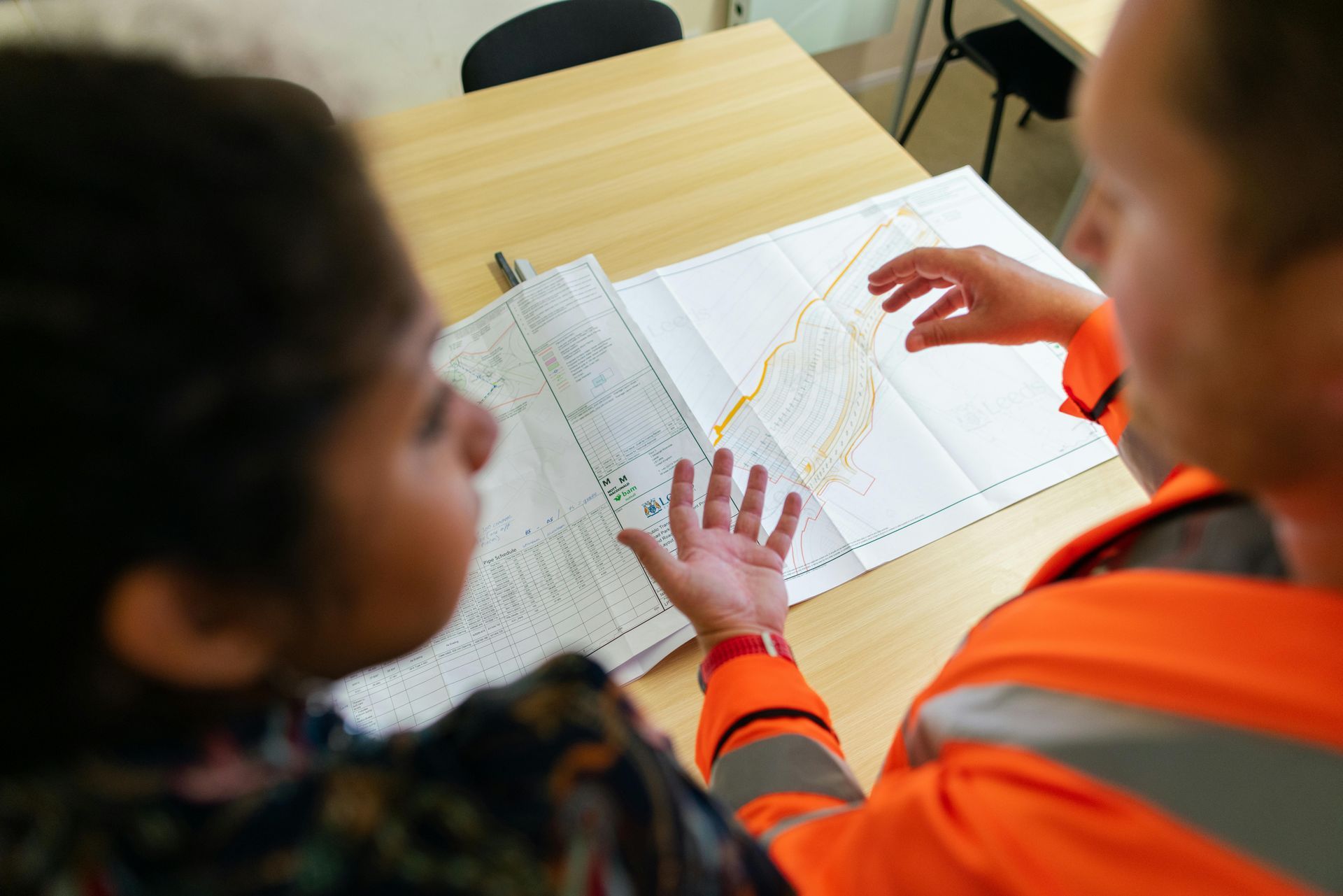
Our team manages the full permitting process for stormwater on behalf of our clients. We prepare the required plans and calculations, submit to the relevant agencies, respond to review comments, and keep the project moving through the approval process. We understand what local reviewers in Cleveland, TN look for and how to prepare submittals that minimize back-and-forth and get you to an approval as efficiently as possible.
Conclusion
Stormwater management services in Cleveland, TN require a combination of technical depth, local regulatory knowledge, and practical field experience. Done well, a stormwater design protects your project, your neighbors, and the natural environment while keeping you in full compliance with state and local requirements. Done poorly, it leads to costly problems that can follow a project for years after construction is complete.
Ready to discuss stormwater management for your upcoming project in Cleveland, TN? Contact Caldwell Design and Engineering today for a consultation. We are here to help you get it right from the start.
Blog